Source Dining Table Set Frames and Legs for Hotels, Offices, and Homes
Source 30 dining table set frames and legs from verified Chinese factories. Compare modern metal designs with sintered stone, marble, or wood tops. Options include rectangular, round, and oval shapes with fixed rotary features for hotels, offices, and homes; compare the available evidence and request quotations based on your requirements.
Key considerations
Products List


Comprehensive Sourcing Guide
Dining Table Set Sourcing Guide
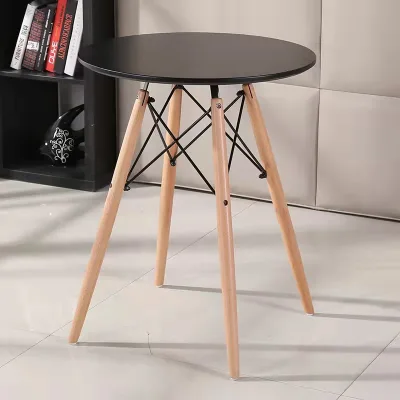
Buyers evaluating dining table sets must first distinguish between fixed and adjustable configurations, as the observed market data indicates a prevalence of fixed rotary designs. The product listings reveal a strong emphasis on modern aesthetics with specific shape variations including rectangle, round, oval, and square options. This diversity allows procurement teams to align inventory with specific interior design themes, whether for commercial hospitality venues or residential spaces. Understanding these form factors is critical before engaging with suppliers, as the structural requirements for a round table differ significantly from those of a rectangular counterpart.
The material composition of the table top and leg assembly represents another primary decision point for the sourcing team. Available options include sintered stone, marble, wood, and slab cladding for the surface, while legs are frequently constructed from metal, iron, stainless steel, aluminum, or steel. Buyers should verify that the specific model selected matches the intended load-bearing needs and aesthetic goals. The observed data confirms that customization is available, allowing for tailored finishes, but the core structural integrity relies on the selected metal thickness and surface treatment.
Product Scope and Observed Listing Signals
Procurement professionals should note that the observed product range spans a wide price spectrum, with listed values ranging from 20 to 850 USD. This variance often reflects differences in material quality, such as the distinction between standard wood and premium sintered stone tops. Additionally, the minimum order quantities observed vary from single units to 142 sets, with some specific models requiring a baseline of 30 sets. Buyers must align their order volume with these thresholds to secure viable pricing and avoid unnecessary inventory costs.
The condition of the goods is consistently listed as new, yet the packaging methods vary between knock-down cartons and standard export cartons reinforced with wooden frames. This distinction impacts logistics planning, as flat-pack designs reduce shipping volume but require on-site assembly, whereas pre-assembled units demand more robust freight handling. The observed data also highlights that while some items are marked as customized, others are non-customized, requiring buyers to confirm the flexibility of the supplier before finalizing the purchase order.
Technical Specifications to Verify
Technical verification must begin with the precise dimensional standards, as observed listings cite specific measurements like 1200650730mm and 140-2008075cm. Buyers should request detailed drawings for their specific model number, such as 1980B-1 or 1001A, to ensure the height and footprint match the intended dining room or office layout. The leg thickness is frequently specified as 1.2mm for metal powder-coated frames, a critical metric for stability that must be confirmed against the supplier's technical sheet.
Beyond dimensions, the functional attributes of the table set require strict validation, particularly regarding the table top material and leg construction. The observed data lists multiple top materials including sintered stone, marble, and paper marble wood, each with distinct maintenance and durability profiles. Similarly, the leg material options range from iron to stainless steel, and buyers must verify the specific alloy and coating process to ensure resistance to corrosion and wear in high-traffic environments like hotels and restaurants.
Compliance and Safety Documentation
Safety and compliance documentation should prioritize the verification of ISO9001 and SGS certifications, which are explicitly mentioned in the product attributes. These certifications indicate that the manufacturing process adheres to international quality management standards and that the products have undergone third-party testing for safety and material integrity. Buyers should request current copies of these certificates to ensure they are valid and cover the specific production batch being ordered, rather than relying on generic claims.
In addition to general quality certifications, buyers must assess the warranty terms provided by the supplier, which range from one to three years in the observed listings. A three-year warranty suggests a higher confidence in product longevity, particularly for the metal frame and surface finish. Procurement teams should clarify the specific conditions under which the warranty applies, including coverage for structural failures or finish degradation, to mitigate long-term liability risks associated with commercial furniture deployments.
Cost Drivers and Commercial Terms
Cost structures for dining table sets are heavily influenced by the choice of table top material and the level of customization required. Premium materials like sintered stone or natural marble will drive costs higher compared to wood or paper marble options, while custom finishes add to the base price. Buyers should analyze the total landed cost, factoring in the observed payment terms of T/T, L/C, and D/P, to determine the most financially efficient method for their organization's cash flow management.
The commercial terms also include specific export capabilities, with suppliers noting 15 years of export experience and a high volume of international business. This experience often translates to more reliable logistics handling and better negotiation leverage on freight costs. However, buyers must remain vigilant regarding the minimum order quantities, which can range from one unit to over a hundred, as exceeding these thresholds is often necessary to unlock the lower end of the observed price range.
Supplier Qualification and Quality Control
Supplier qualification should focus on verifying the business type, as the data indicates a mix of factory and wholesale operations. Direct factory engagement often provides better control over production timelines and quality assurance, whereas wholesalers may offer a broader range of models with less direct oversight. Buyers should confirm the supplier's claim of being a high-quality manufacturing entity by requesting references or visiting the facility if possible to validate their production capacity and quality control protocols.
Quality control processes must be explicitly defined in the contract, particularly regarding the finishing of metal legs and the durability of the table tops. The observed data mentions powder-coated legs and various stone or wood surfaces, all of which require specific inspection criteria to prevent defects like chipping or peeling. Establishing a clear acceptance sampling plan based on the observed product standards will help ensure that the delivered dining table sets meet the expected aesthetic and functional requirements before shipment.
Long-Term Procurement Checks
Long-term procurement strategies should include regular audits of the supplier's ability to maintain consistent quality over time, especially given the 15-year export history cited. While past performance is a strong indicator, market conditions and raw material availability can shift, potentially affecting the consistency of the metal thickness or stone quality. Buyers should establish a schedule for periodic quality reviews to ensure that the products continue to meet the original specifications and warranty standards.
Finally, buyers must monitor the evolution of product models and standards, as the observed data shows multiple model numbers like 1980B-3 and OKT-XXX. Keeping abreast of these updates ensures that replacement parts or future orders remain compatible with existing inventory. Establishing a clear communication channel for product updates and changes in material availability will help procurement teams adapt quickly to market shifts and maintain a reliable supply chain for their dining table set requirements.
FAQs
What materials are used for dining table legs?
The dining table set legs are constructed from metal, including iron, stainless steel, aluminum, and steel. These components feature a 1.2mm thickness with a powder-coated finish for durability. This robust metal frame supports various table tops, ensuring stability for commercial and home use in hotels and offices.
Can I customize the dining table set design?
Yes, customization is available for this dining table set. The factory supports OEM and ODM services to tailor products to specific needs. Buyers can choose from modern styles and various shapes, including rectangle, round, oval, and square. This flexibility allows for unique designs that fit specific interior requirements.
What certifications do the dining table set suppliers hold?
The dining table set suppliers hold SGS and ISO9001 certifications. These credentials verify that the manufacturing processes meet international quality and safety standards. As a factory with 15 years of export experience, they ensure consistent quality control, making their products suitable for high-end hotels, restaurants, and commercial office environments.
What is the warranty period for the dining table set?
The dining table set comes with a warranty of 3 years. Some product models may offer a warranty period ranging from 1 to 3 years depending on the specific configuration. This coverage provides assurance for buyers investing in durable furniture for homes, dining rooms, or commercial spaces like hotels and offices.
How is the dining table set packed for shipping?
The dining table set is packed in knock-down cartons or standard export cartons with a wooden frame. This packaging method protects the metal legs and table tops during transit. The efficient packing design helps reduce shipping volume and costs, ensuring the furniture arrives safely at destinations across the global market for immediate assembly.
What table top materials are available for the dining table set?
Available table top materials for the dining table set include sintered stone, marble, wood, and paper marble wood. These surfaces offer diverse aesthetic options for modern interiors. The sturdy metal frame supports these heavy tops, making them ideal for high-traffic areas in restaurants, hotels, and residential dining rooms with lasting durability.